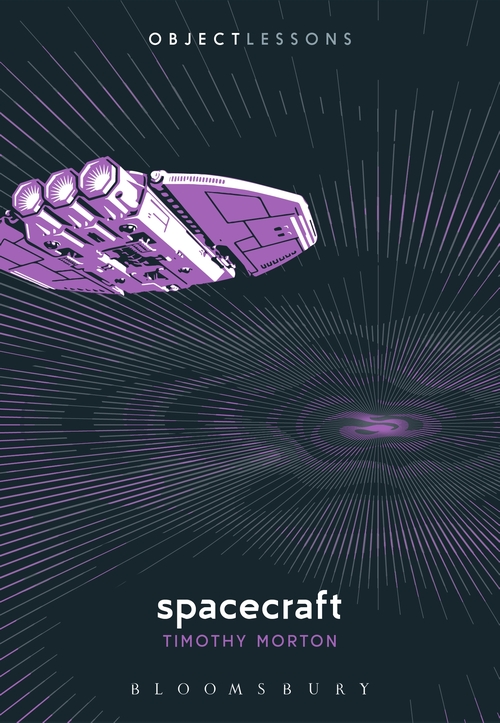
Spacecraft (2021): Timothy Morton

★½

As a fan of sci-fi, I had high hopes for Spacecraft, a new entry in the Bloomsbury Objects series. I felt that there was a huge amount of potential here: so much to unpack, not only in the way that classic spacecraft have made their way from the speculative fringe into mainstream culture, but also more broadly about the historical antecedents of science fiction. Spacecraft have grown out of other human desires and stories: after all, they’re the ultimate accomplishment of one of mankind’s most ancient desires: to fly. And we can trace a genealogy from the generation ships of science fiction back into antiquity, to Noah’s Ark. I was excited to learn about early ideas of what a spacecraft might be. What about the flying machine with rockets which launches Cyrano de Bergerac to the Moon in his 17th-century satirical novel The Other World? How do these fictional spacecraft compare to the real deal: the Space Shuttle or rockets? Does a spacecraft have to be manned? What about Arthur C. Clarke’s enigmatic Rama? Brimming with questions, I settled down and prepared to be transported to other worlds.

Continue reading

Will (2016): Jeroen Olyslaegers

★★★★

For Proust, the key to memory was a madeleine: for the elderly Wilfried Wils, it’s a snowfall, which carpets the streets around his home in Antwerp. Walking through the city, he remembers how it was in wartime, and decides that it’s time to set down his story, addressing it to an estranged great-grandson. He hopes that this unknown reader will listen and, if not forgive him, then at least understand. The problem, Will knows, is that people like their protagonists to be heroes: the kind of men and women who place principles above their own safety, and protect those less fortunate than themselves. But that isn’t the story that Will has to tell. His is a tale of survival, of self-interest and self-preservation in a world where all certainties have been ripped away; and it isn’t just the tale of one man, but of a whole city. Olyslaegers’s disturbing novel is based around real events in wartime Antwerp, and inspired by the experiences of the author’s own family: his grandfather, who was a Nazi collaborator, and his aunt, the mistress of an SS officer. If it’s unsettling, that’s largely because it forces us to think very hard about how we ourselves would survive under occupation. Would we choose to be heroes, as we’d like to believe? Or would we, too, follow prevailing winds in this ‘life on the razor’s edge‘?

Continue reading

The Crown (1765): Christoph Willibald Gluck

★★★★ 

(Bampton Classical Opera at St John’s Smith Square, 18 May 2021)

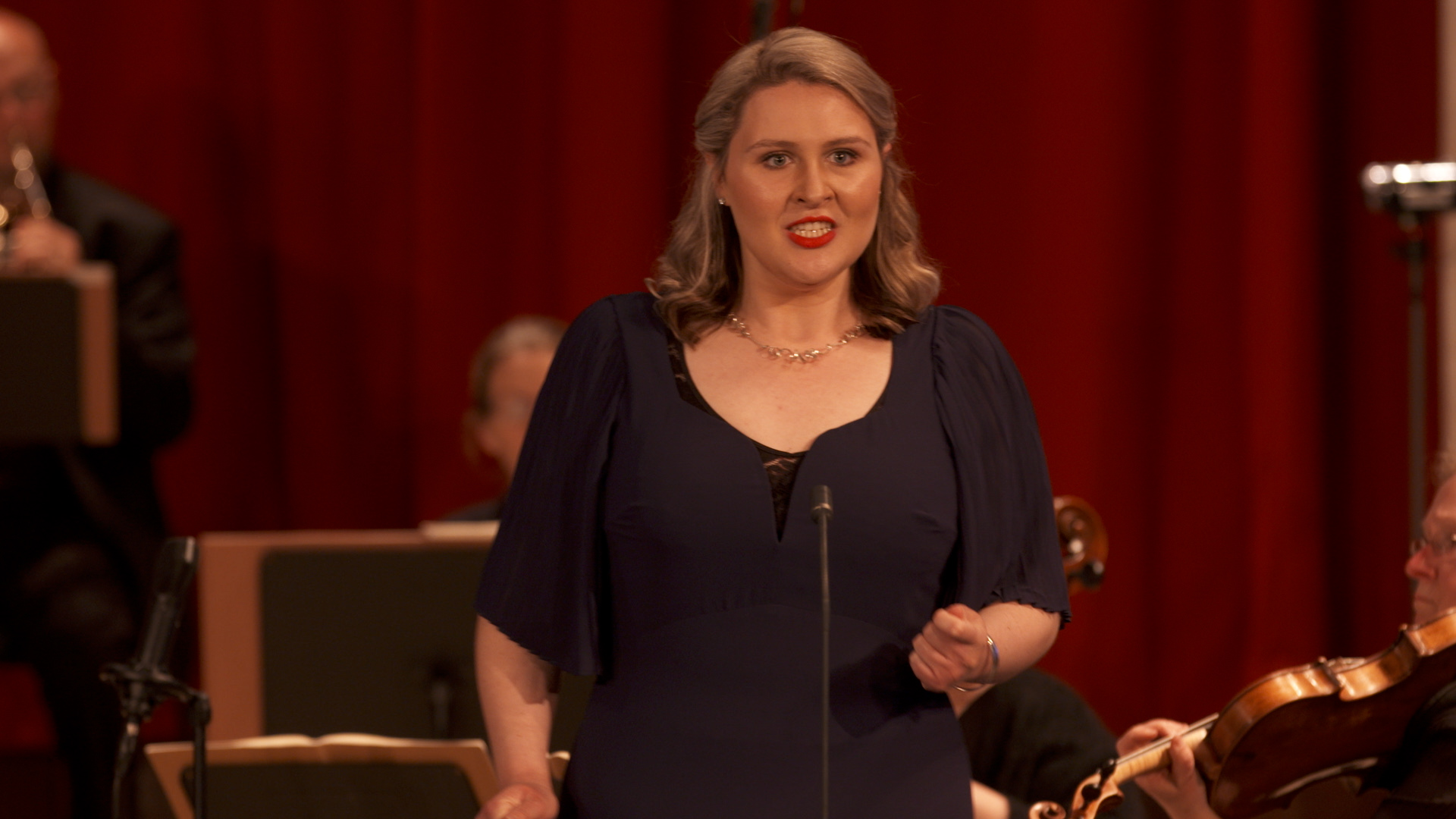
Bravo, Bampton Classical Opera: it takes a certain panache to make your post-Covid comeback with an opera called (in Italian) La corona! Commissioned for the Viennese court in 1765, this this rare piece by Gluck is a sparkling treat for the ears; despite being only an hour long in this concert version, it’s packed with musical variety, ranging from limpid pastoral to the martial grandeur of the chase. Based on the myth of Atalanta and Meleager, The Crown uses the Calydonian boar hunt as the backdrop for a delightful celebration of adolescent ambition and female courage. Performed here by an excellent cast, backed by the chamber orchestra CHROMA, it was the perfect way to ease back into Baroque after a year-long drought. I should say that this review is based on the excellent video broadcast of the production, as unfortunately I wasn’t quick enough off the mark to secure one of the limited seats – but the film is a treat in itself; it’s still available and comes highly recommended. I’ll link to it at the end of the post. So, gather up your arrows, steel your nerves, and come with me into the verdant forests of Calydon…

Continue reading

The Dangerous Kingdom of Love (2021): Neil Blackmore

★★★½

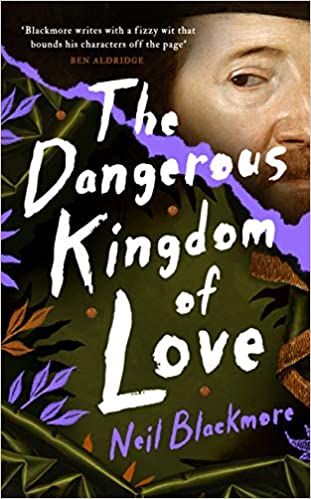
In the English court of 1613, there are two paths to success: noble blood or a pretty face. Francis Bacon has neither, so he’s had to resort to bribing the King’s loathsome little favourite Robert Carr, in order to secure an appointment as Attorney General. This new job offers some protection from Bacon’s phalanx of noble enemies, who’d love nothing more than to see him fall from grace, but almost immediately he learns of a worrying development at court. Robert Carr is due to marry the daughter of the Earl of Suffolk, one of Bacon’s nemeses, and Bacon knows perfectly well that his days are numbered unless he can come up with a way to break their stranglehold over the King. Ideally, he’d dislodge the brattish Carr by finding a beautiful, amusing and irresistible boy to offer up as a new potential favourite for the King. When Bacon’s path happens to cross that of the ravishing George Villiers, he seizes the opportunity, without stopping to think of the challenges that lie ahead: the task of playing Pygmalion and the difficulties that might arise when his creation gains power of his own. Giving centre stage to one of the period’s most fascinating characters, Neil Blackmore’s novel of sexual ambition in Jacobean England achieves the tricky feat of being both historically convincing and enormously fun.

Continue reading

High Heel (2019): Summer Brennan

★★★★

Bloomsbury Object Lessons

What do you think of when you think of high heels? For me, there’s a divide between high heels ‘in the wild’ and my own experience. High heels in general are elegant: they’re worn by women who are smart, professional and probably wealthy enough to jump in a taxi rather than risk getting their stiletto wedged in a Tube station escalator. A woman of this type would probably not get her heel trapped in a grille on a staircase, and has to grimly hunker down, one shoe on, one shoe off, to winkle it out. (That was me.) Heels have a mythos of their own, provoking envy, longing and pride in otherwise quite reasonable women, and transforming their designers into household names; but why should this be? Exactly what is it that makes the high heel such an enduring object of obsession? The Bloomsbury Object Lessons series is always engaging, but Summer Brennan’s investigation of the heel is a particular favourite so far. Embracing Greek myth, fairy tales, history, fashion and biology, she sets out on a quest to understand exactly why this most uncomfortable of shoes has become the most ubiquitous. Fierce, feminist and fascinating.

Continue reading

Mary Toft; or, The Rabbit Queen (2019): Dexter Palmer

★★★½

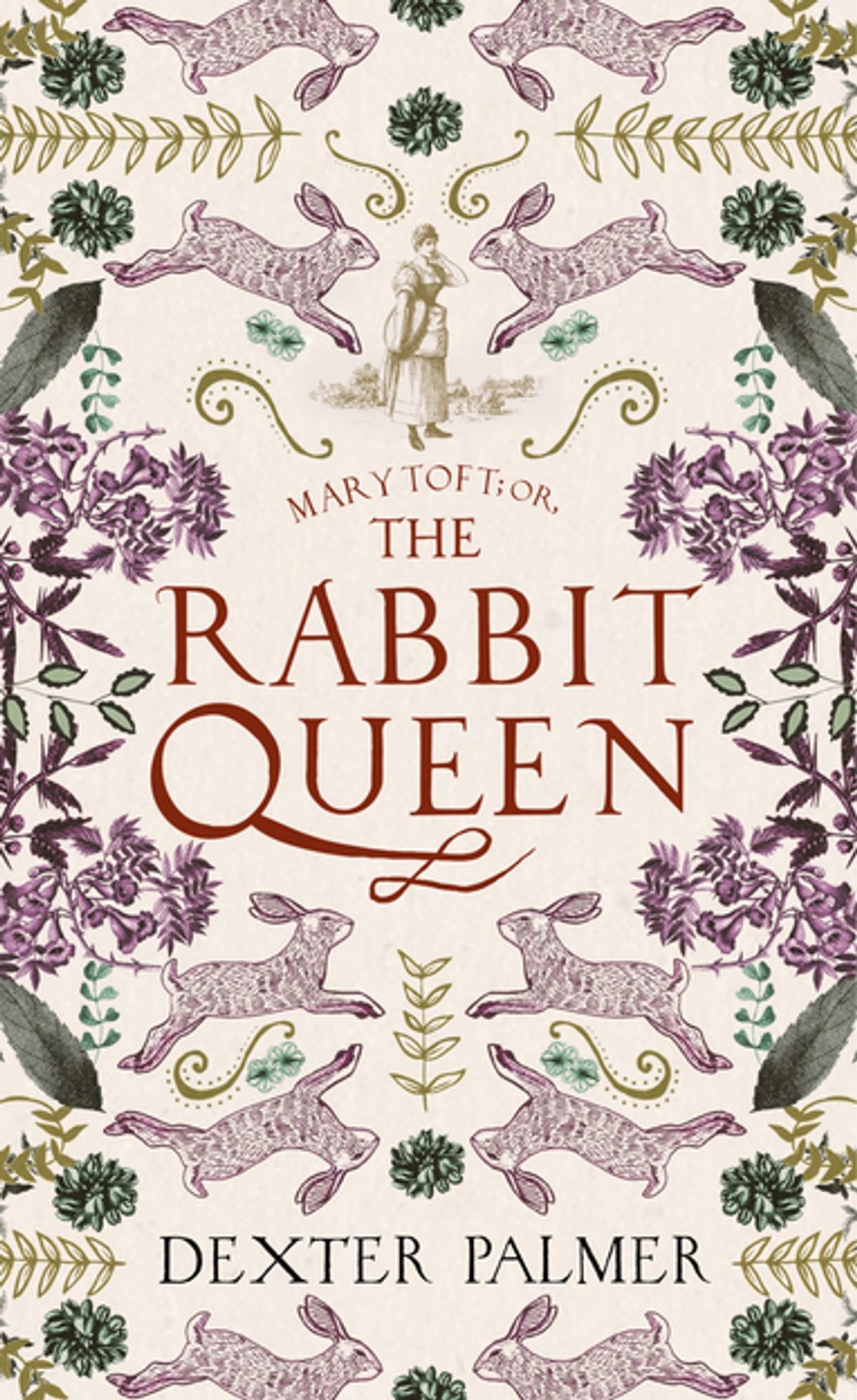
Once heard, Mary Toft’s story can’t be forgotten. I first encountered it at university, in a class which focused not on the kings and politicians of our core courses, but the stories of ordinary people, gleaned from archives, pamphlets and early journalism. Later, I became aware of Emma Donoghue’s short story about the case (the eponymous story in The Woman who Gave Birth to Rabbits), but I haven’t got round to reading that yet. Dexter Palmer’s lush and troubling novel is my first fictional take on this bizarre morsel of history. The curtain rises in 1726 on the small town of Godalming in Surrey, where the local surgeon John Howard and his young assistant Zachary are called to assist at a birth. Nothing new in that, but the experience shakes Howard to the core, challenging him to rethink everything he thought he knew. With his very own eyes, and his own hands, he witnesses Mary Toft deliver not a child but the dismembered parts of a rabbit. A couple of days later, it happens again. And, as Mary Toft begins to produce rabbits on a regular basis, the bewildered Howard decides to call in support from his eminent medical colleagues in London. This is a story about trickery, but also about belief – our desire to witness the extraordinary – and our willingness to be complicit in our own delusions.

Continue reading

The Feast (1950): Margaret Kennedy

★★★★

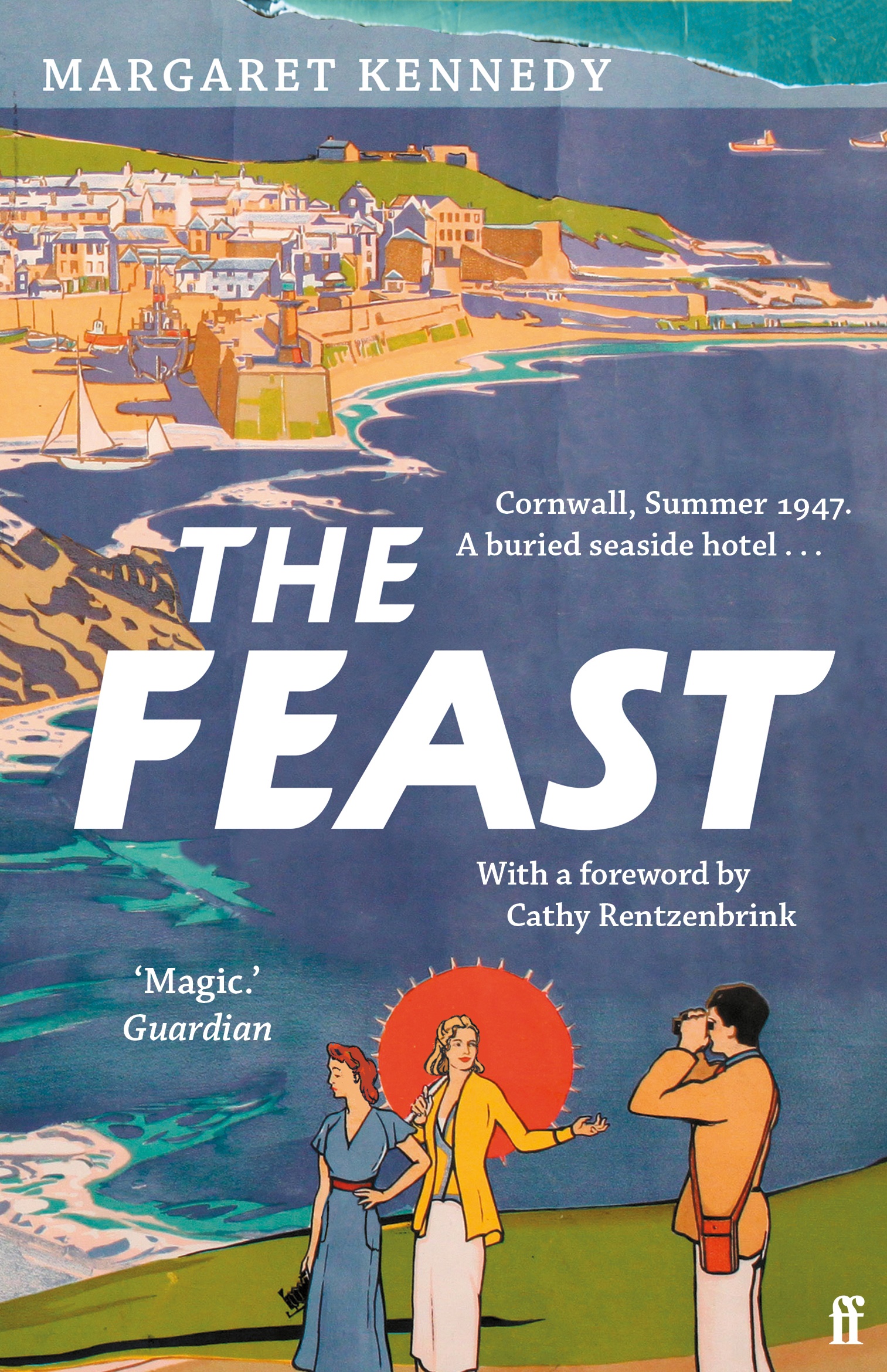
It’s the summer of 1947 and a small community has been shaken to its core (literally). Pendizack Manor Hotel has just been obliterated in a landslide, buried beneath the cliffs that once loomed over it. Reverend Bott, who has the unenviable task of writing a funeral sermon for the unrecovered victims, thinks back over what he has heard from the survivors. Through their stories, we revisit the week leading up to the disaster, day by day, watching as the various characters arrive and get to know one another. To some extent, this is the same kind of awkward cheek-by-jowl holiday community of strangers that we see in works such as The Fortnight in September (though that puts a much more positive spin on the experience). Romances blossom; old grudges linger; and plots are hatched, both malicious and benign. But this isn’t just the story of a Cornish summer holiday gone horribly wrong. Kennedy is, in fact, doing something much cleverer and more sophisticated – offering us the chance to solve a very unusual kind of mystery.

Continue reading

The Midnight Library (2020): Matt Haig

★★★★

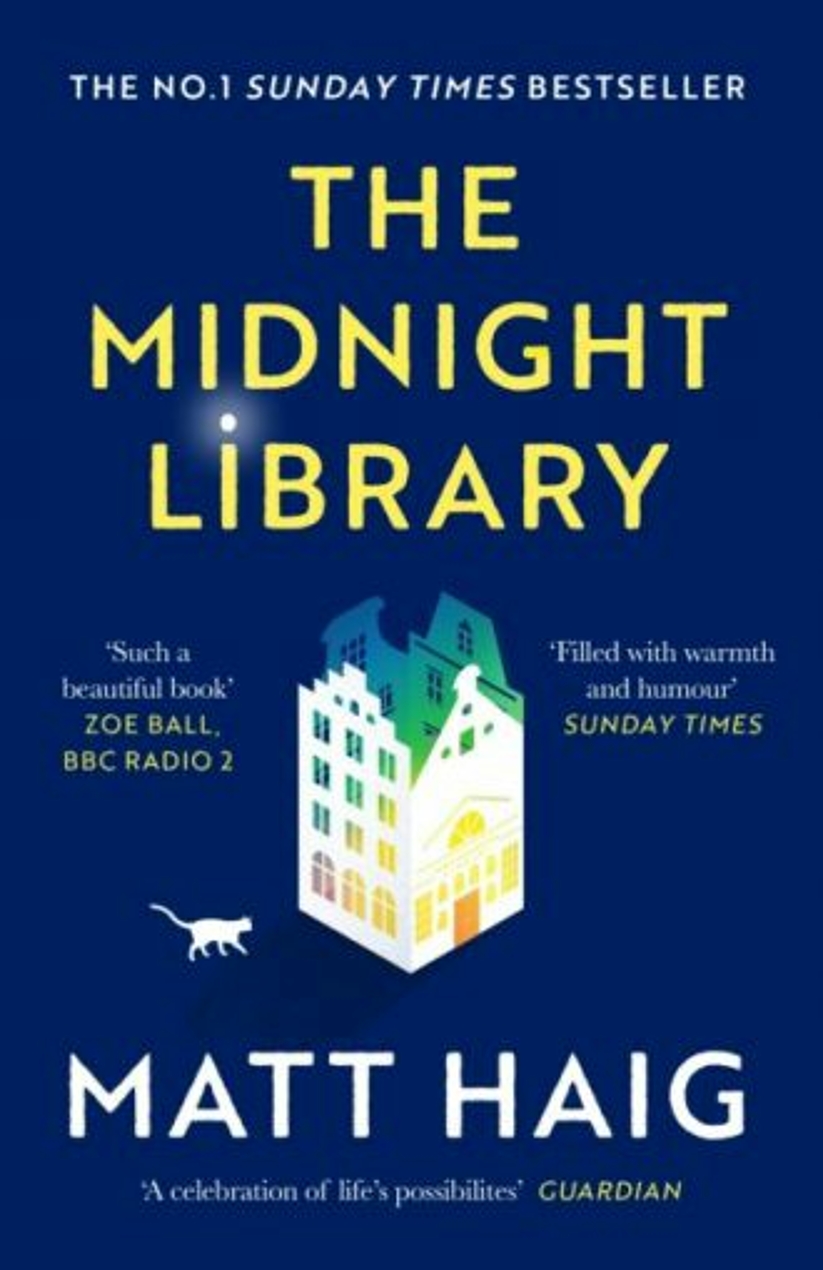
Imagine a space between life and death, where we have the chance to confront our regrets. For Nora Seed, in the aftermath of an overdose, this liminal space takes the shape of a library, staffed by her beloved school librarian Mrs Elm. The shelves, tightly stacked with books, are infinite, and each of these books offers Nora the chance to visit an alternate universe: a life where, at one point or another, she made a different choice. Riddled with regret, she’s spoiled for choice; but will these other-lives engender new regrets of their own? All she can do is step bravely forward, and find out. Before I proceed, I should say that Matt Haig‘s books haven’t always won me over – I wasn’t keen on How To Stop Time – and I felt a bit resigned when my book club chose The Midnight Library as our next read. However, I must give credit where it’s due. The book may be mawkish; it may play brazenly on emotions; its message may be as subtle as an express train hurtling through a station; but, almost in spite of myself, I actually rather liked it.

Continue reading

Wendy, Darling (2021): A.C. Wise

★★★★

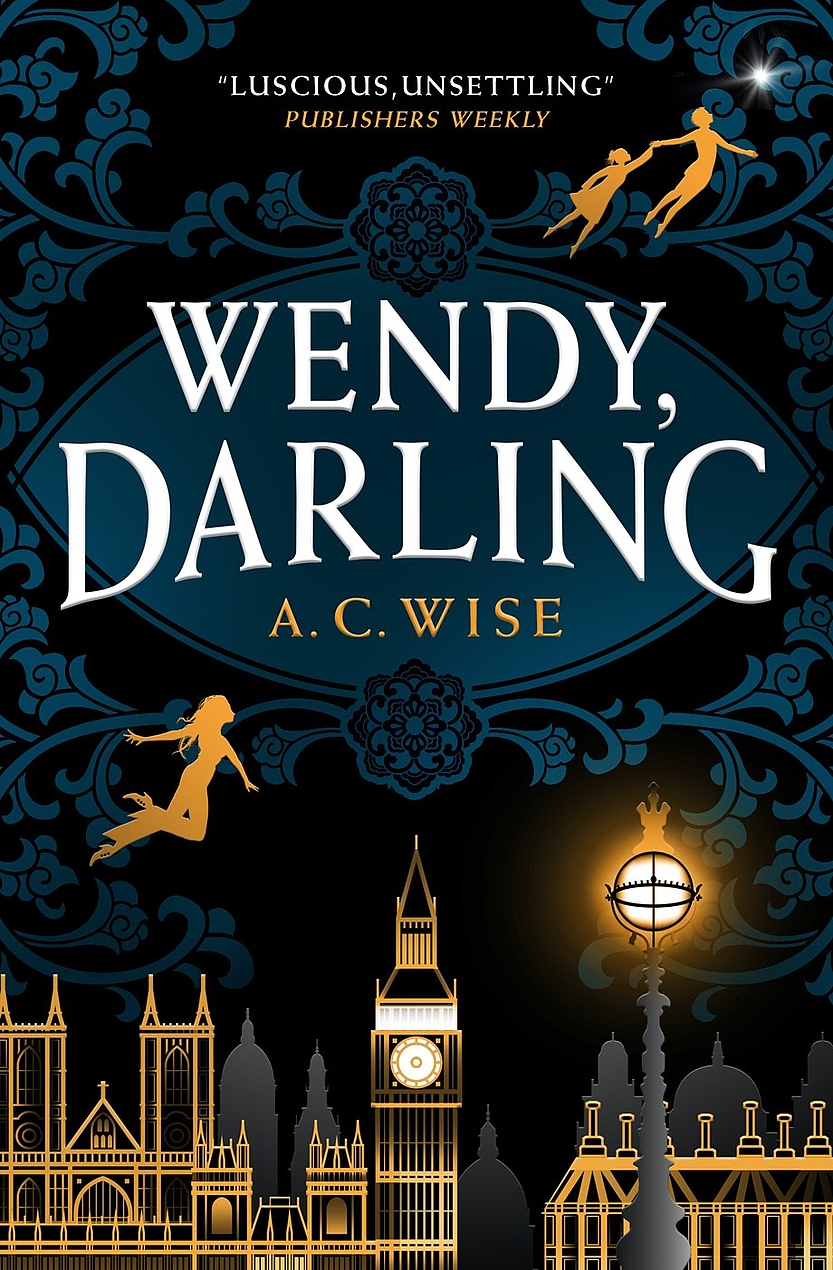
I tend to avoid novels which retell or continue classic stories (why do so many people want to rewrite Pride and Prejudice?), but something about A.C. Wise’s Wendy, Darling caught my attention. Peter Pan is already a book that speaks to children and adults in different ways: reading it, as a grown-up, provokes a sense of discomfort that simmers beneath the sheer joy of its nostalgic anarchy. Wise has grasped that sense of ‘somehow wrong-ness’ and anchored it at the heart of her book, a fierce story of female autonomy, courage and memory. It begins, of course, on a dark night in London, in a nursery, where a small girl sleeps in a bed. A slight, lean shape appears at the nursery window: it’s Peter, come to carry Wendy back to Neverland. But Peter has left it too long. The child in the bed is not Wendy. It’s 1931 and Wendy, now a married woman, is in her room when she feels the warning sense of danger. She runs to the nursery, but she’s too late: Peter has spirited away her daughter, Jane. Outraged by the theft, Wendy can do only one thing: she must gather her courage and go to bring her daughter home.

Continue reading

All Systems Red (2017): Martha Wells

★★★★

The Murderbot Diaries: Book 1

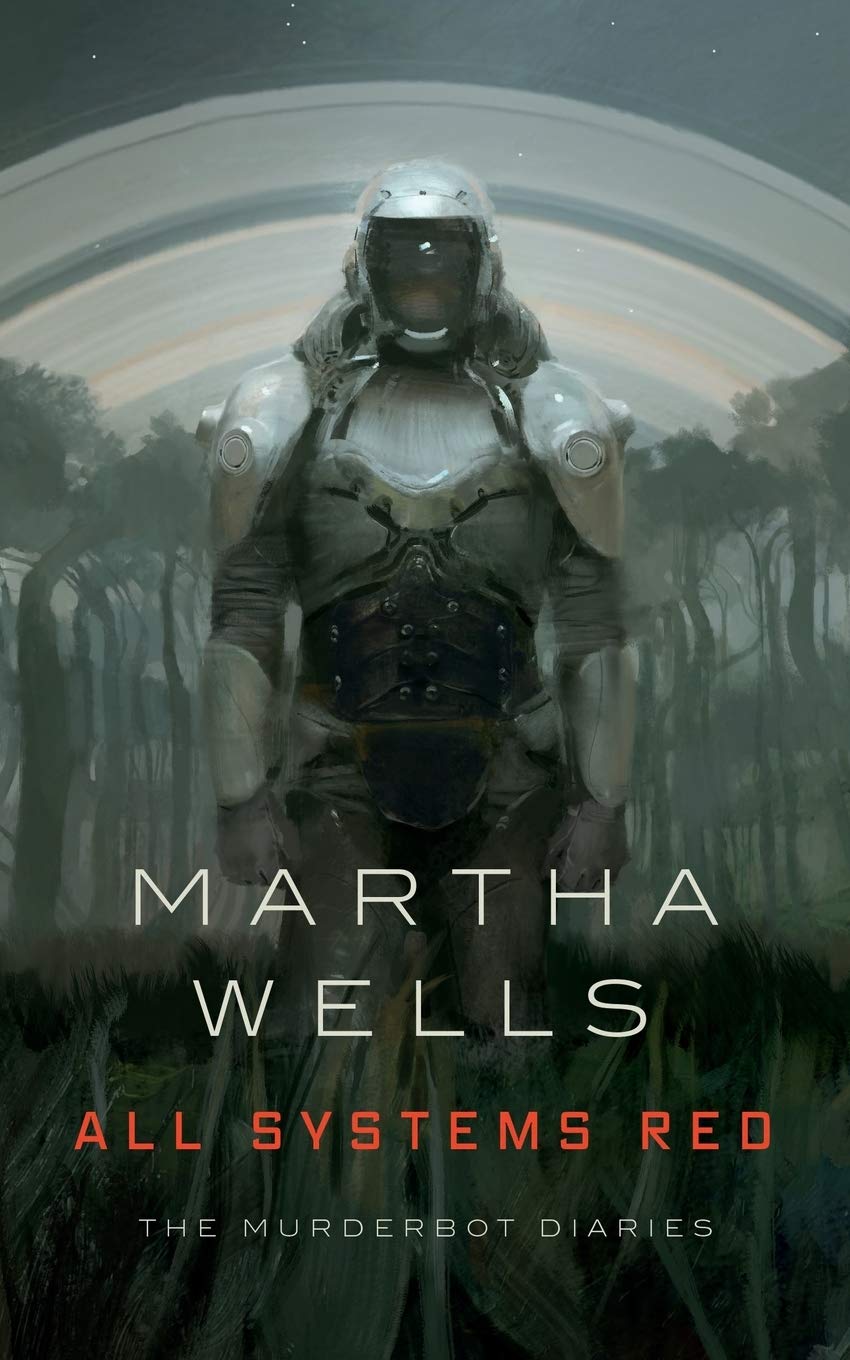
On an isolated planet, a survey team carries out assessments to determine if it’s worth making a bid for this world’s resources. They are a small group, living cheek by jowl in a temporary habitat alongside their SecUnit – a humanoid AI formed from both mechanical and organic components, which has been programmed to protect them. However, the scientists are blissfully unaware that their SecUnit has hacked its governing module and is now a rogue agent. In many sci-fi stories, the alarm bells would already ringing. Before you know it, we’d be on a one-way path to ‘Rotate the pod, please, HAL’, and Daisy, Daisy. But Martha Wells’s grumpy and antisocial AI has absolutely no interest in sabotage. All it wants is to be left alone: it has 35,000 hours of media content downloaded and just wants to find out what happens next on Rise and Fall of Sanctuary Moon. Unfortunately for SecUnit – or Murderbot, as it has christened itself – terrifying events are about to occur, which threaten the mission’s success, its humans’ lives and, depressingly, its longed-for isolation. All Systems Red raises the curtain on one of sci-fi’s most unexpected heroes.

Continue reading