Children of Earth and Sky (2016): Guy Gavriel Kay

★★★★

It’s been three long years since River of Stars, Guy Gavriel Kay’s last novel, so the publication of Children of Earth and Sky is quite an event and a cause for some celebration. From a personal point of view, the new book is made even more exciting by its setting. While Under Heaven and River of Stars took me out of my historical comfort zone – unfolding in the alternate-universe empire of Kitai, which drew on the dynastic splendour of medieval China – Children plunged me into the knotty political world of my very favourite period: the Renaissance.

Continue reading

The Long War (2010-14): Christian Cameron

This really is going back a bit. I came across these books in January, which proved to be an odd month for reading: I had plenty of time for it, but little mental capacity. I was either waiting around at airports, wiling away transatlantic flights with a flimsy attention span, or wilting after intellectually intense days of training. In short, I needed good, solid entertainment and by chance I unearthed a series that was just the ticket: Christian Cameron’s Long War books.


Continue reading

The Inheritors (1955): William Golding

★★★★

In September last year, the Guardian published an article by Judy Golding (William’s daughter) about The Inheritors. I read it at the time but only recently tracked it down again. I already want to reread so I can savour the complexities that I missed first time round. But even my quick first read of the article lodged the title in my mind. When I saw a lovely old Faber & Faber edition in Oxfam a few weeks ago, I snaffled it.

Continue reading

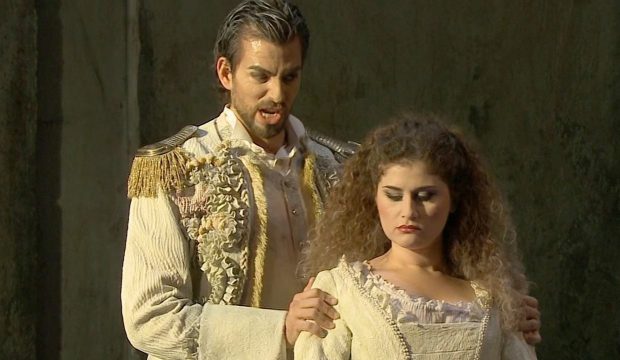
Artaserse (1730): Johann Adolf Hasse

Hasse Artaserse

★★★

(Festival Valle d’Itria, Martina Franca, 2011)

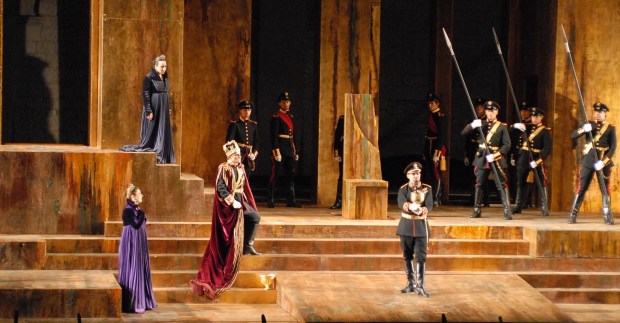
In late February 1730, Hasse’s Artaserse opened at the Teatro S. Giovanni Grisostomo in Venice, mere weeks after Leonardo Vinci’s version premiered in Rome. (I think you all know the story of this opera by now. However, if you’d like to refresh your memory, check here and possibly also take a look here.) Musically there’s quite a contrast between the two versions. Vinci’s simple lyricism gives way to Hasse’s ornamentation, bells and whistles. And it’s not just the music that’s different.

Continue reading

Island of Ghosts (1992): Gillian Bradshaw

★★★★

Hot on the heels of The Beacon at Alexandria, I turned my attention to the other Bradshaw novel I had lined up, and I’m delighted to say that Island of Ghosts proved to be equally enjoyable. Like Beacon it has a classical setting, this time in Roman Britain in 175 AD, and it’s written in the same easy, engaging style. Indeed, its protagonist is thoughtful and self-contained, much like Charis, and there are familiar themes of displacement and the difficulties of finding one’s path as an outsider.

Continue reading

Arminio (1737): George Frideric Handel

1dd12-arminio1

★★★½

(Badisches Staatstheater, Karlsruhe, 17 February 2016)

So, by a remarkable stroke of luck, my business trip coincided with the Karlsruhe Handel Festival. By even more remarkable good fortune, Parnassus were staging their new production of Handel’s Arminio on the night I arrived and there was an excellent seat still free right in the centre of the eighth row of the stalls. As they say, it would’ve been rude not to.

Continue reading

Art in Frankfurt

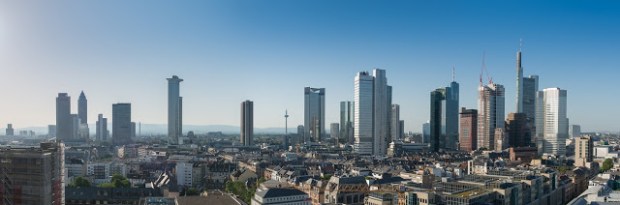
The Frankfurt skyline

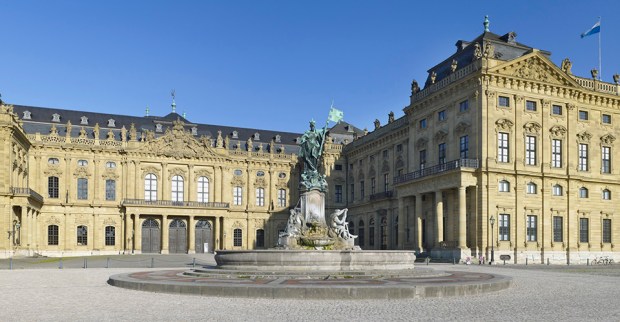
I’ve had quite a few business trips over the last few months, but this week’s expedition to Frankfurt came together in a particularly satisfying way. I was only there for one full day, but thanks to cunning planning of my flights and a relatively brief business meeting, I had plenty of time free to explore the city’s museums and to take two very exciting trips to nearby towns. In a blissful stroke of luck my trip coincided with the Karlsruhe Handel Festival, so I even managed to squeeze in a performance: you can read about Arminio in another post. All in all, I had a wonderful time and here are a few recommendations if you should ever find yourself in that part of the world.

Continue reading

La Salustia (1732): Giovanni Battista Pergolesi

Marziano (Vittorio Prato) and Salustia (Serena Malfi)

★★★★

(Teatro Pergolesi, Jesi, 2011)

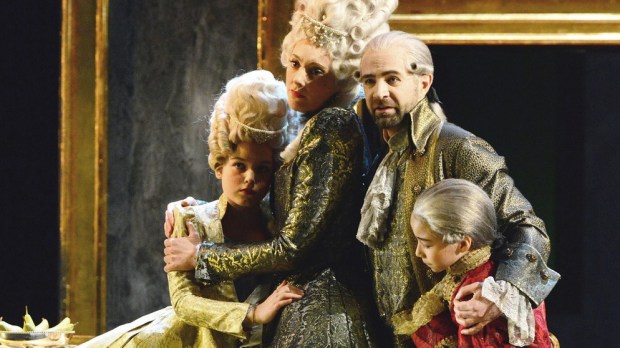
There’s no middle ground for rulers in Baroque operas. They’re either tyrants demanding submission at any cost, or weak figures who are manipulated by their ambitious courtiers. Alessandro, otherwise known as the emperor Alexander Severus (208-235), is one of the latter. When this opera opens, he’s very much in love with his new wife Salustia, the daughter of his general Marziano, and doesn’t understand why his mother Giulia dislikes her so much. Salustia, however, knows the reason only too well.

Continue reading