
★★★
(Hampstead Garden Opera at The Cockpit Theatre, 4 June 2021)
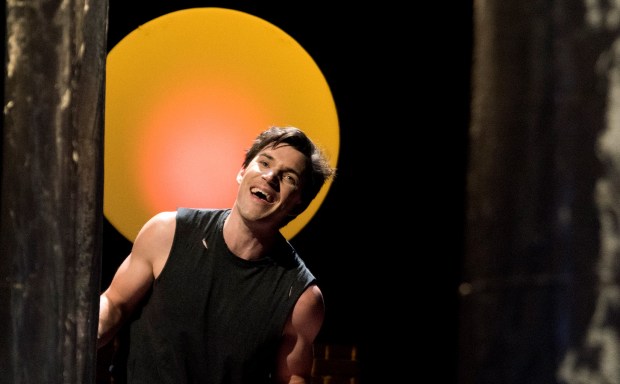
In many ways, the plot of Egisto sounds like A Midsummer Night’s Dream. Four young lovers are forced to confront the fickleness of the human heart while, behind the scenes, supernatural forces use them as pawns in a divine rivalry. Here, though, the antagonists are not fairy royals but gods: Venus and Apollo; and Cupid, not Puck, is the meddler who both provokes and resolves the chaos. There the similarities end, for Egisto also includes pirates (tangentially), a descent into hell (brief) and a mad scene, which makes for an eccentric piece of early Baroque. First performed in 1643 it was Cavalli’s seventh opera and the second which he produced with his long-time collaborator, the librettist Giovanni Faustini (also responsible for Ormindo, Calisto and, at least in part, Elena). It hasn’t often been performed in modern times, and Hampstead Garden Opera have bravely chosen it to kick off their post-Covid programming, performing it at the Cockpit Theatre in North London until 13 June. A variety of captivating voices among the young cast made it an engrossing first foray out into live opera: my first since March 2020.
Continue reading
 The Idle Woman