Ormisda (1730): George Frideric Handel and Friends

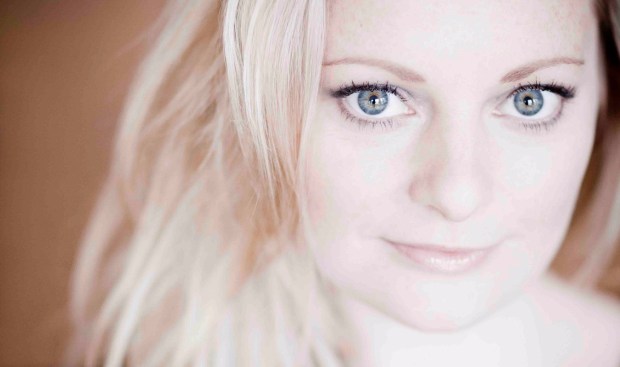
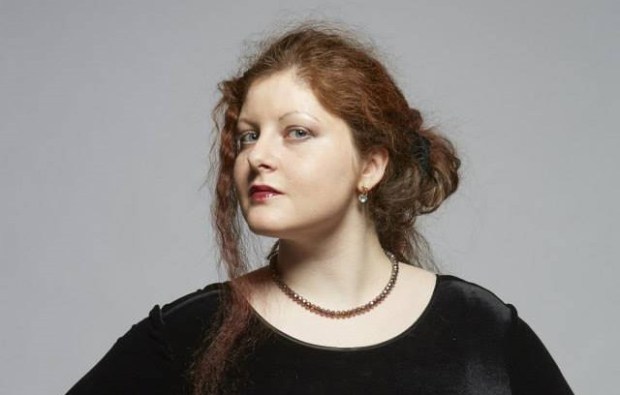
Ormisda - Maria Ostroukhova

★★★★

(Opera Settecento at St George’s, Hanover Square, 28 March 2017)

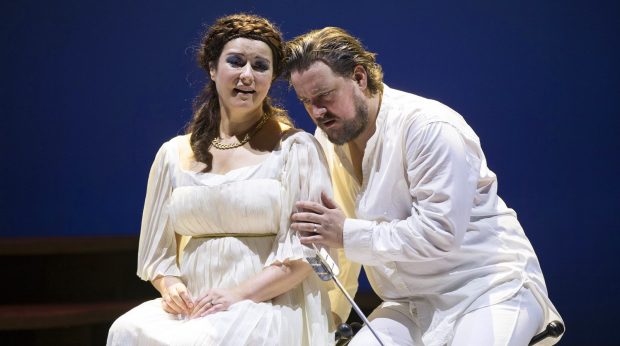
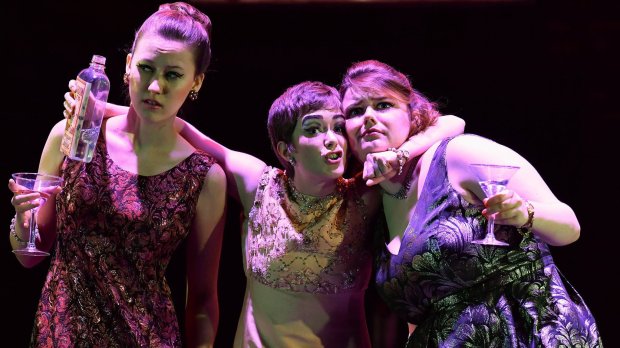
I’m running slightly behind on London Handel Festival reports, but didn’t want to forget this remarkable Orsmida, dominated by an absolutely brilliant performance from the talented mezzo Maria Ostroukhova. Like Catone and Elpidia in previous Festivals, Ormisda is a pasticcio, pulled together by Handel using arias from other composers’ operas. Not only did this enable him to fill one of the slots in the 1730 opera season, easing his workload a little, but it also introduced London audiences to some top arias from the Continent. Ormisda pulls together some very enjoyable music by Hasse, Orlandini, Vinci, Leo and Giacomelli, to tell a classic opera seria tale of dynastic politics in ancient Persia.
Continue reading

Faramondo (1737): George Frideric Handel

Handel: Faramondo

★★★

(Britten Theatre, 25 March 2017)

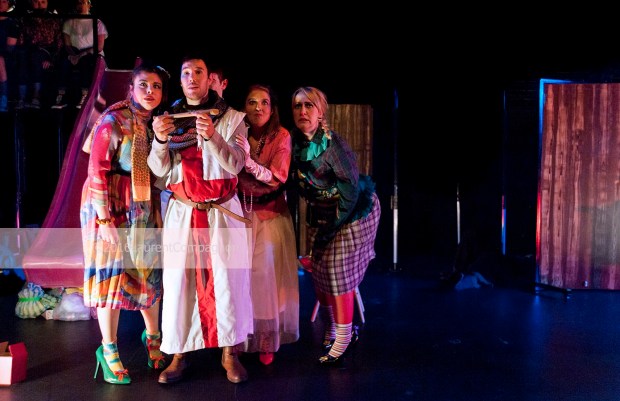
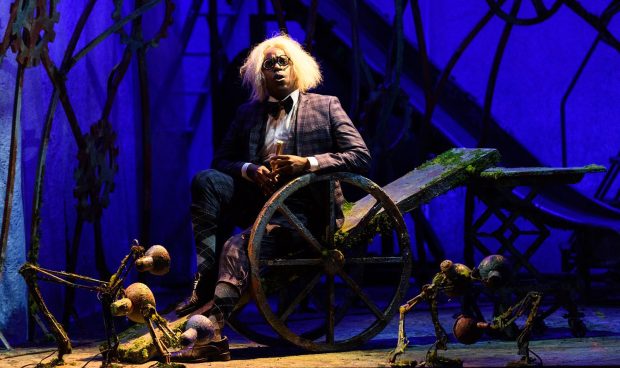
You can’t accuse Handel of not being productive. He wrote Faramondo while recovering from a stroke and, having finished it on Christmas Eve, began his next opera on Boxing Day. That would become Xerxes, one of his most enduringly popular scores, but Faramondo itself has never enjoyed the same acclaim as its younger sibling. There are perfectly good reasons for this, namely that the opera itself is a bit of a mess, but the students of the Royal College of Music have gamely taken up the gauntlet in this staged production, performed as part of the London Handel Festival. They’re accompanied by the London Handel Orchestra, with Laurence Cummings directing from the harpsichord; I also spotted Leo Duarte tucked in at the back with his trusty oboe.

Continue reading

Calisto (1651): Francesco Cavalli

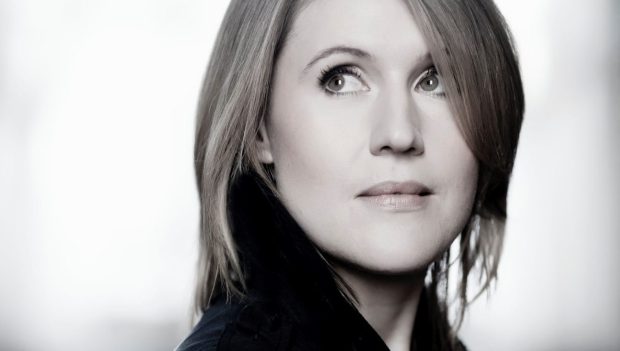
Lucy Crowe

★★★★

(La Nuova Musica at Wigmore Hall, 28 November 2016)

Calistos are like London buses: you wait for months and then two come along at once. Mere weeks after English Touring Opera’s vivacious production, David Bates and La Nuova Musica presented their own version of Cavalli’s tale of lust, disguise and confusion. Conceived as a semi-staged performance, to make maximum use of the Wigmore’s limited space, this Calisto boasted a cast to die for and delivered some great voices; yet it didn’t eclipse ETO quite as thoroughly as I’d expected.

Continue reading

Xerxes (1738): George Frideric Handel

Anna Stéphany

★★★★ ½

(Early Opera Company at St John’s Smith Square, 18 November 2016)

With only one production so far this year, I’ve had Xerxes withdrawal symptoms, but fortunately the Early Opera Company and Christian Curnyn were there to save the day with a concert performance at St John’s Smith Square last Friday. This was billed as a concert version of their truly excellent studio recording from 2013, but in fact the entire cast is different, with one crucial exception: Anna Stéphany as the brat-prince himself. The change of cast didn’t matter, however, as EOC drafted in some of the brightest young things around, and the result was classy, perfectly-paced and probably (on balance) the best-sounding Xerxes I’ve yet heard live. Coming from me, that’s high praise.

Continue reading

The Magic Flute (1791): Wolfgang Amadeus Mozart

Mozart: The Magic Flute

★★★½

(Hampstead Garden Opera at Jackson’s Lane, 15 November 2016)

Tuesday night saw an exciting milestone: my first Flute. I get the feeling the Flute is a bit like the Nutcracker, in that many people first encounter it as children, as a magical way into its art form. However, having waited until adulthood to take the plunge, I was less concerned about the magic and more about whether I’d be able to follow its complicated allegories of Masonic enlightenment. Fortunately, Hampstead Garden Opera’s production told a delightfully clear story which emphasised the narrative at its heart: a mother struggling to do her best for her child, and the transformative effects of first love.

Continue reading

Oreste (1734): George Frideric Handel

Handel: Oreste

★★★½

(Royal Opera House at Wilton’s Music Hall, 9 November 2016)

This was my third Handel pasticcio, after Elpidia and Catone in Utica, but it differed from both of these in that Oreste is made up purely of Handel’s own earlier work.  It hung together much more successfully as a result, with melodies that tickled my memory but nothing that shouted its origins elsewhere. It’s the fourth of the Royal Opera House’s Baroque productions that I’ve seen in other venues and, after the immensity of the Roundhouse’s Orfeo and the intimacy of the Sam Wanamaker’s Playhouse’s Ormindo and Orpheus, Wilton’s Music Hall offered an appropriately faded setting for this tale of love and madness at the end of the world.

Continue reading

Demetrio (1740): Johann Adolph Hasse

Ray Chenez

★★★

(Opera Settecento at Cadogan Hall, 21 September 2016)

Another long-overdue post finally surfaces from the drafts folder! This time it’s Hasse’s Demetrio, to which I’d been eagerly looking forward. We don’t hear much Hasse in London and Opera Settecento had managed to gather a truly exceptional cast, featuring many of the singers I enthuse about repeatedly on this blog. Erica Eloff, Rupert Charlesworth and Michael Taylor were joined in a casting coup by Ray Chenez, whom I last saw as a manipulative and ultimately tragic Marzia at Versailles. On paper, it couldn’t fail. On the night, however, unsympathetic cutting of the opera resulted in a fragmentary show, which I felt didn’t do justice either to its splendid cast or to Hasse himself.

Continue reading

Il ritorno d’Ulisse in patria (1640): Claudio Monteverdi

Monteverdi: Il ritorno d'Ulisse in patria

★★★★

(English Touring Opera at the Hackney Empire, 15 October 2016)

Most operas are about infatuation: the sudden, all-consuming flare of love that causes kingdoms to fall, mountains to crumble and worlds to change – the love of Paris for Helen, for example. We don’t hear quite so often about the quieter, more enduring kind of love that ‘withstands tempests and is never shaken’. Yet here, in his second surviving opera, Monteverdi does just that. His heroes, Ulysses and Penelope, aren’t tumultuous young things: on the contrary, they’re two people of a certain age, trying to make the best of a bad job. It doesn’t sound terribly dramatic, does it? And it isn’t, if by drama you mean fire and the clash of steel. But it’s one of the most moving stories I’ve seen in opera so far, because it takes the power out of the hands of kings and emperors, and lays bare the workings of the human heart.

Continue reading

Calisto (1651): Francesco Cavalli

Cavalli: Calisto

★★★★

(English Touring Opera at the Hackney Empire, 14 October 2016)

On Friday night it was time for the second opera in ETO’s autumn Baroque trilogy (the first was their Battle of Britain Xerxes). This time we were going back to the mid-17th century for Cavalli’s Calisto, which on the surface is an exuberant pantomime in song about gods behaving badly in the forests of Arcadia. Beneath the raunchiness, however, this opera has a surprisingly radical message. In a fascinating pre-show talk, the director and conductor Tim Nelson explored allusions to Galileo and the defeat of faith by reason, which – if this isn’t just the result of academic over-reading – would make the apparently frothy Calisto a subversive commentary on the biggest controversy of the day.

Continue reading

Xerxes (1738): George Frideric Handel

Handel: Xerxes

★★★★

(English Touring Opera at the Hackney Empire, 8 October 2016)

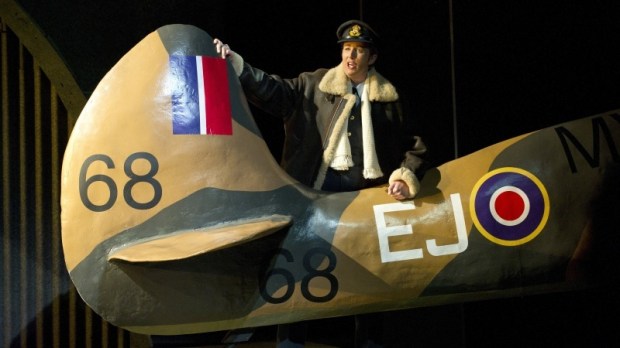
Xerxes and Spitfires both rank pretty highly on the list of things I get excited about, but I never imagined I’d have cause to refer to them both in the same sentence. Now that has all changed, thanks to English Touring Opera’s revival production, which transplants our favourite brat-prince to the airfields of the Battle of Britain. It opens with the glorious sight of our misguided king serenading a Spitfire (plane tree – plane – Spitfire – brilliant), as he contemplates his new campaign to rule the skies of Europe, and it’s sheer fun from there on in.

Continue reading