Masterpieces of Chinese Painting: 700-1900 (2013-14)

Emperor Huizong: Ladies preparing silk

(Victoria & Albert Museum, London, closed on 19 January 2014)

This exhibition was the hit of the autumn in London. Many people told me how wonderful it was, but for various reasons I only managed to get there on the final weekend, when a friend and I realised that we were in danger of missing it altogether. How I wish I’d managed to go a little sooner! It would have been great to read the catalogue and then go back again to savour it all from a more informed perspective. As it was, I was almost completely ignorant of what to expect, and found myself bowled over.
Continue reading

The Cheapside Hoard (2013)

The Cheapside Hoard

(Museum of London, until 27 April 2014)

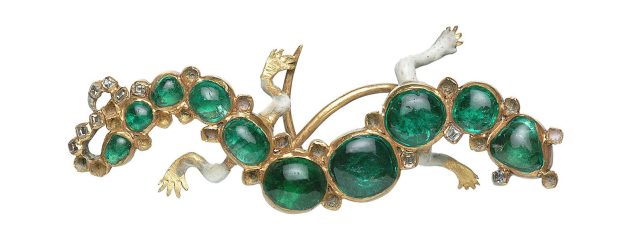
All that glisters is not gold in the Museum of London’s dazzling new exhibition: there are also rubies, emeralds, garnets, diamonds, pearls and cameos, amethysts, rock crystal and sapphires. Discovered just over a century ago, during demolition work on a row of 17th-century houses in the City of London, the Cheapside Hoard is a treasure-trove of more than five hundred jewels, which offer an unparalleled glimpse both of Stuart tastes in jewellery and of the goldsmith’s trade in early modern London.

Continue reading

Daumier: Visions of Paris (2013-14)

Daumier: The Sideshow

(Royal Academy, London, until 26 January 2014)

The Royal Academy’s autumn exhibition, nestled up in the Sackler Wing, turns the focus onto Daumier, one of the liveliest and most irrepressible artists of the 19th century. He has always fallen slightly outside my comfort zone and, when I first began looking at his art some years ago, I had the impression that there was something rather hard and cutting about it. That’s probably because I was most familiar with his lithographs, laced with political satire, whereas this show presents a survey of his whole career, deliberately looking beyond the caricatures to bring to light the vein of human sympathy running through his art.

Continue reading

The Young Dürer: Drawing the Figure (2013-14)

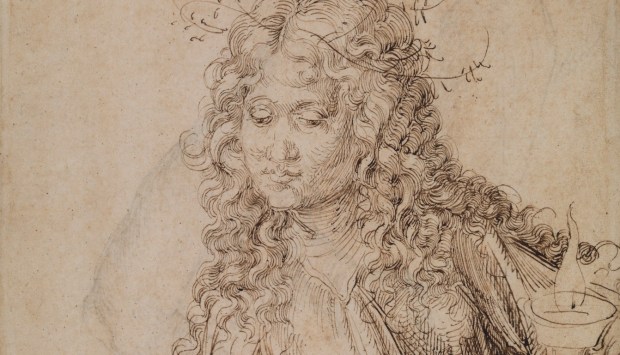
Dürer: A Wise Virgin

(Courtauld Gallery, London, until 12 January 2013)

In 1490 the nineteen-year-old Albrecht Dürer left his native Nuremberg and set off on his Wanderjahre, effectively the equivalent of an extended gap year for a Renaissance German artist. He had completed his apprenticeship with the painter Michael Wolgemut but, before setting up as a master in his own right, he wanted to spend some time travelling in Germany and studying in artistic centres other than Nuremberg. His trip would turn into a four-year journey, during which he even made a pilgrimage to Colmar in the hope of learning at the feet of his hero Martin Schongauer; only to find that Schongauer had died the previous year.

Continue reading

Laura Knight: Portraits (2013)

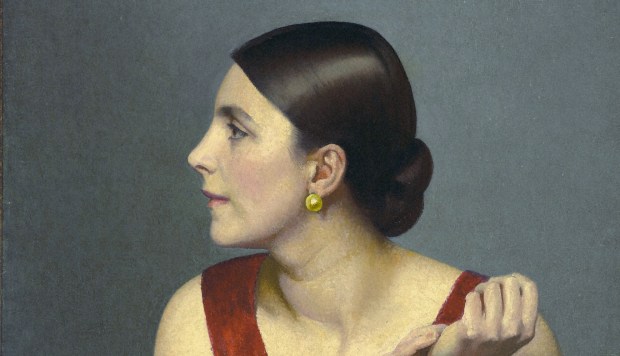
Knight: Ethel Bartlett

(National Portrait Gallery, London, July-October 2013)

If I was quick off the blocks with the new Elizabeth I and Her People exhibition, I was desperately slow at getting around to Laura Knight, which closed on Sunday. Having meant to go ever since it opened, the more so since the Grumpy Art Historian spoke highly of it when he went to see it back in July, I finally made it on Friday night, immediately after my Elizabeth visit.

Continue reading

Elizabeth I & Her People (2013-14)

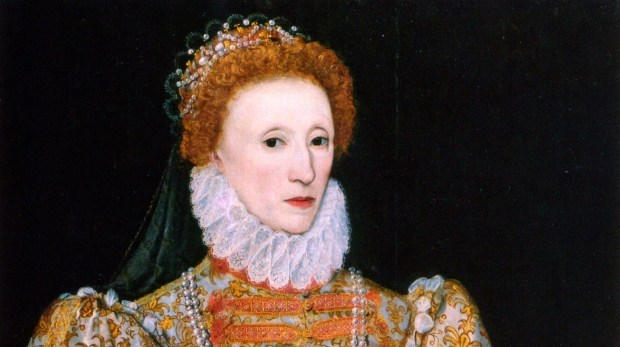
The Darnley Portrait of Elizabeth I

(National Portrait Gallery, London, until 5 January 2014)

The National Portrait Gallery’s autumn exhibition is the most recent in a long line of Tudor and Stuart shows in London over the last eighteen months. It’s much smaller than most of the others: a tasting menu compared to the banquet of the Royal Collection’s In Fine Style or the sprawling buffet of the V&A’s Treasures of the Royal Courts. Its purpose is to look at the social stratification of Elizabethan England and how luxury goods such as portraits, books and fine clothing were becoming increasingly available to the lower classes – merchants, clerics, writers and gentry – as well as to royalty and nobility.

Continue reading

Mary, Queen of Scots: In my End is my Beginning (2013)

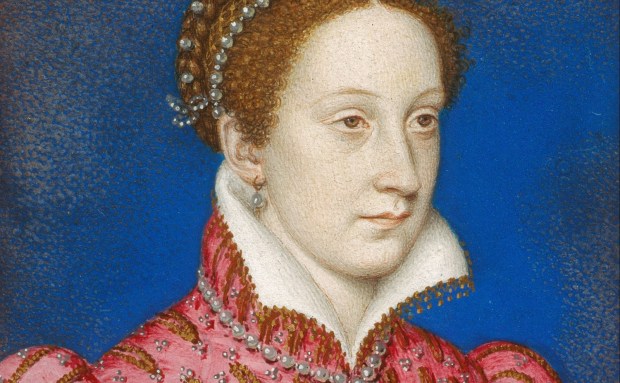
Clouet: Mary Queen of Scots

(National Museum of Scotland, Edinburgh, 28 June-17 November 2013)

Sea-mist, pinnacles, towering fortifications and nary a level street between them: Edinburgh certainly is a captivating maze of a place. Although my time there was dominated by research – libraries, archives and lots of fabulous old letters – I decided that I had to make time for a bit of sightseeing. The exhibition on everyone’s lips at the moment is the Mary, Queen of Scots show at the National Museum of Scotland. It was just down the road from the library where I’d spent the best part of an extremely wet morning; so I went off for a refreshing dose of the Scottish sixteenth century.

Continue reading

Vermeer and Music (2013)

Vermeer: The Music Lesson

The Art of Love and Leisure

(National Gallery, London, until 8 September 2013)

In Dutch art of the 17th century, music can have many different meanings. Performed by a family group sitting for their portrait, it might represent cultivation and refinement; or in one of the more restrained genre settings it might indicate an allegory of temperance and moderation. But these acceptable, admirable meanings could easily be subverted, for music had other meanings too. It could allude to inappropriate intimacies; it offered a rare opportunity for young men and women to be together unchaperoned; and of course music-making was an enduring symbol of lewd and loose behaviour.

Continue reading

Performing for the King (2013)

Performing for the King

(Banqueting House, Whitehall, until 1 September 2013)

In the reign of Charles I, Banqueting House hosted some of the most extravagant entertainments in English history: the court masques. Combining music, song, dance, poetry and cutting-edge special effects, these remarkable plays were performed by the King, the Queen and their courtiers and, despite the eye-watering expense, held only once. This summer Banqueting House has a special display focusing on the various elements of the masque, with a special emphasis on Tempe Restored, performed in 1632.

Continue reading