BP Portrait Award 2013

Kapka: Heterochrome

(National Portrait Gallery, London, until 15 September 2013)

Wilting slightly in the glorious heat, I popped into the cool halls of the National Portrait Gallery this lunchtime, to see this year’s BP Portrait Award exhibition. As ever it was an intriguing array of styles, techniques and concepts – some of which I liked, some of which I didn’t – and, as ever, I came away with a little collection of personal favourites.

Continue reading

Temptations to Devotion (2013)

Attributed to Ligozzi: The Body of Christ

Creating the Italian Altarpiece in the Renaissance and Baroque

(Christ Church Picture Gallery, Oxford, until 14 October 2013)

Since I was in Oxford to see the Ashmolean exhibition, I took the opportunity to pop in to see the current display at Christ Church Picture Gallery. I’m very fond of the gallery because, despite their limited resources, they make a real effort to keep the College’s drawings accessible through a frequently changing programme of displays. The collection isn’t digitised (which is something it would be great to change, if any Oxford students are looking for a bit of volunteering for their CV?), and James Byam Shaw’s famous catalogue doesn’t illustrate all the sheets, so these displays are the only practical way to see the lesser-known drawings.

Continue reading

Master Drawings (2013)

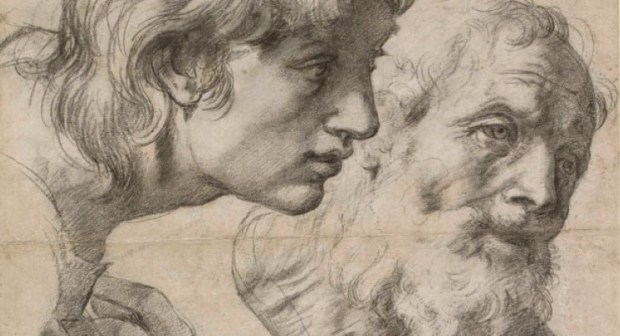
Raphael: Heads of Apostles

(Ashmolean Museum, Oxford, until 18 August 2013)

The Ashmolean Museum’s collection of Old Master drawings began with a bang in 1843 when the newly-fledged institution managed to acquire a group of Raphael and Michelangelo drawings from the collection of the late Sir Thomas Lawrence. Sheets by Rembrandt, Leonardo and Claude followed in 1855, as part of a bequest from the collector Chambers Hall and further Northern drawings were added in 1863 from the collection of the antiquarian and connoisseur Francis Douce. By having had the good fortune to be founded at a time when it was still possible to purchase great sheets by the Old Masters, the Ashmolean has built up one of the greatest collections of drawings in the country.

Continue reading

In Fine Style: The Art of Tudor and Stuart Fashion (2013)

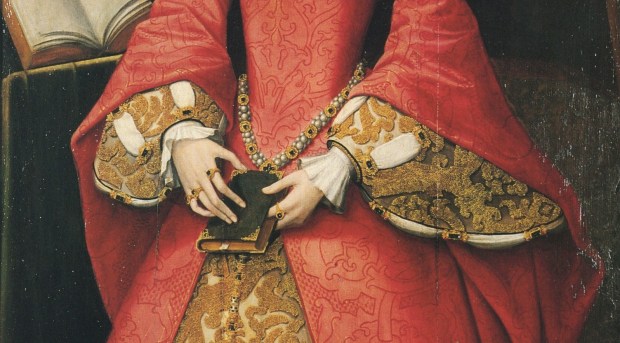
Elizabeth I as princess

(Queen’s Gallery, London, 10 May-6 October 2013)

Before we begin, let’s get one thing clear: if you have any interest in historical costume, the Tudor and Stuart courts, or textiles, then you absolutely must see this new exhibition at the Queen’s Gallery. It’s visually glorious, with a collection of splendid portraits from the Royal Collection displayed alongside surviving examples of costume from the period; and it’s also intellectually absorbing, because it takes very familiar images and, in switching the focus from the sitter to what they’re wearing, encourages you to think about portraits in an entirely new way.

Continue reading

Becoming Picasso: Paris 1901 (2013)

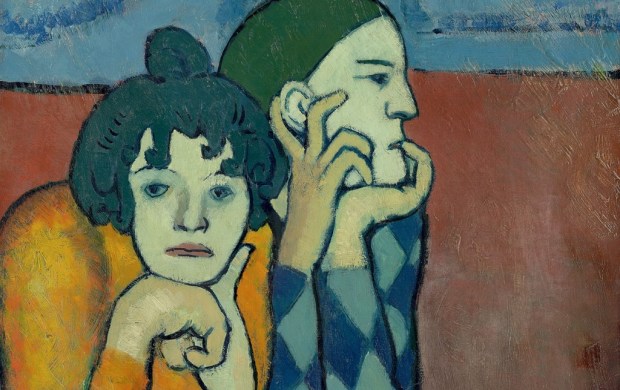
Picasso: Harlequins

(Courtauld Institute, London, until 27 May 2013)

I haven’t left you much time to see this exhibition, but if you can get to Somerset House by the end of Bank Holiday Monday, I’d highly recommend it. The Courtauld have done again that which they do so well: choosing a very specific focus for an exhibition in order to throw new light on a familiar subject. Here they home in on one particular year in the young Picasso’s career: 1901, the year in which he came to Paris, had his first well-received exhibition at Galerie Vollard and then made his first compelling steps on the road to developing a distinctive style of his own.

Continue reading

Treasures of the Royal Courts (2013)

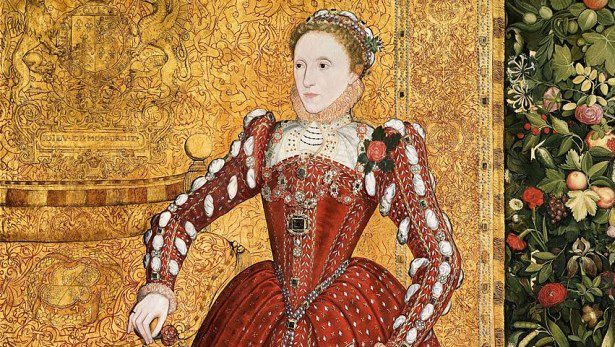
van Herwijck: Elizabeth I: The Hampden Portrait

Tudors, Stuarts and the Russian Tsars

(Victoria and Albert Museum, London, until 14 July 2013)

Along with my Murillo adventures last weekend, I also visited the V&A, to see their  exhibition about the early years of diplomacy between the English court and the Tsars of Russia. This has a (rather tenuous) Lymond connection, as it opens with the expedition of the adventurer Richard Chancellor, who my fellow Dunnetteers will remember from The Ringed Castle. Naturally, considering my enthusiasm for all things Tudor and Stuart, I would have gone to the exhibition anyway, but the Dunnett angle offered a welcome little extra dose of piquancy.

Continue reading

Murillo at the Wallace Collection (2013)

Murillo: Adoration of the Shepherds

Painting of the Spanish Golden Age

(Wallace Collection, London, until 12 May 2013)

Fresh from Dulwich on Sunday afternoon, I headed up to the Wallace Collection for the second instalment of my Murillo adventure. Here the exhibition is very small and, as at Dulwich, precisely focused. With one exception, it contains only pictures that were bought by the 4th Marquess of Hertford (1800-1870) in the mid-19th century and form part of the Collection. It therefore acts not only as an introduction to Murillo, but it shows us Murillo through the eyes of the 19th century, when Lord Hertford was buying his pictures at auction.

Continue reading

Murillo and Justino de Neve: The Art of Friendship (2013)

Murillo: Triumph of Faith

(Dulwich Picture Gallery, London, until 19 May 2013)

London is the place to be for Murillo at the moment. This exhibition at Dulwich is complemented and echoed by a similar small show at the Wallace Collection, both of which will be ending soon. Yesterday I took the chance to visit both in one day, an experience which forced me to think a little more deeply about Murillo as an artist and which offered two different, but complementary perspectives on his painting. While the Wallace Collection looks at how the Marquess of Hertford assembled his collection of Murillos in the 19th century, Dulwich goes further back in time and homes in on the artist’s relationship with his key patron in Seville, the cathedral canon Justino de Neve (1625-1685).

Continue reading

Life and Death in Pompeii and Herculaneum (2013)

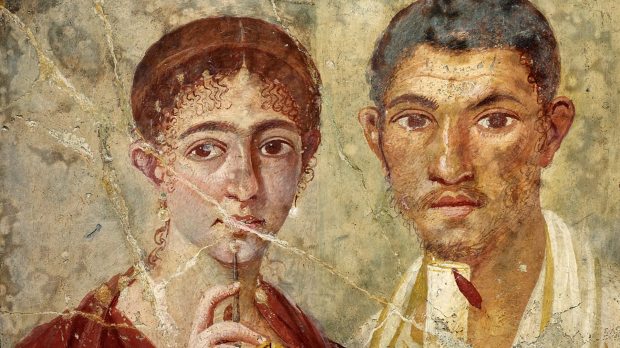
Roman fresco of a couple: Terentius Neo and his wife

(British Museum, London, until 29 September 2013)

If last year’s blockbuster exhibition was Leonardo at the National Gallery, this year’s is Pompeii at the British Museum. Both names have the kind of pulling-power that make it virtually impossible to get tickets, although I’m happy to say that there is still availability for some of the less appealing slots (we visited at 9am on a Sunday morning). Besides, 300 tickets are released by the British Museum every day, so you can always queue before opening time in the hope of getting one. Do try to see it. You won’t be disappointed.

Continue reading

Barocci: Brilliance and Grace (2013)

Barocci: Madonna and Child with a Cat

(National Gallery, London, 27 February-19 May 2013)

What a difference a name makes. Just over a year ago, it was virtually impossible to get into the National Gallery’s Leonardo da Vinci exhibition (and even when you were in, you could hardly see anything for the crowds). When I popped over to the National Gallery this lunchtime, however, to see their new Barocci show, I didn’t even have to queue for a ticket. In one way, this is marvellous: it’s so much more pleasurable to visit an exhibition that you can actually see; but at the same time my heart sinks a little. It’s a depressing indication that exhibition attendance isn’t really anything to do with the quality of the show or the beauty of the exhibits, but on how famous the ‘brand’ of the artist is. And in this particular case, if people decide not to bother because they haven’t heard of Barocci (which, you might think, is the perfect reason to see an exhibition), they’ll miss out on a stunning and superlatively well-organised show.

Continue reading