Anything Goes (1934): Cole Porter

Anything Goes

★★★★

(New Wimbledon Theatre, January-February 2015)

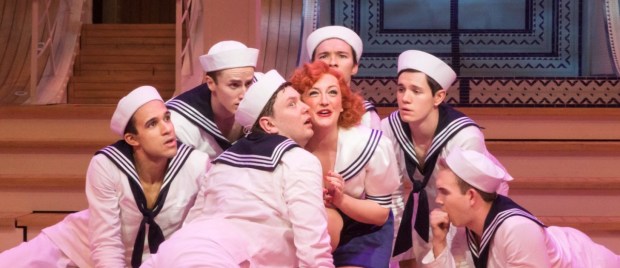
Reno (Debbie Kurup) loves Billy (Matt Rawle). They’re old friends and he indulges her in a bantering kind of way but doesn’t take her seriously; because he loves Hope Harcourt (Zoë Rainey), the pretty débutante. But Hope is engaged to be married to Lord Evelyn Oakleigh (Stephen Matthews) and the happy couple are due to weigh anchor any moment on the SS American, which will carry them off to London for their glittering wedding at St Paul’s. Reno and her team of nightclub dancers are making the same voyage, bound for some London engagements; and it just so happens that Billy’s boss, Elisha Whitney, is also travelling on board. Realising that his beloved Hope will soon be out of his reach forever, Billy decides there’s only one thing for it: to pursue her.

Continue reading

The Knight of the Burning Pestle (1607): Francis Beaumont

The Knight of the Burning Pestle: Francis Beaumont (1607)

★★★★½

(Sam Wanamaker Playhouse, 2 January 2015)

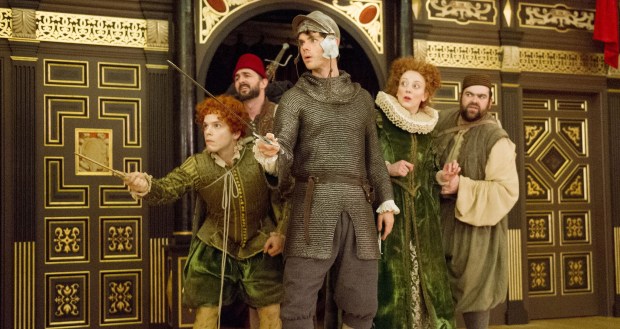
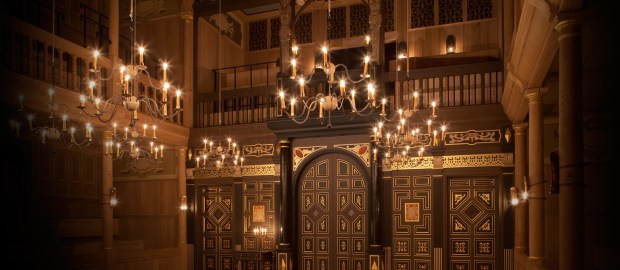
First of all, a very happy New Year to all of you! My first outing of 2015 was to the wooden galleries of the Sam Wanamaker Playhouse, to see Francis Beaumont’s exuberantly experimental play The Knight of the Burning Pestle. This was such a success last year that it’s been revived and it’s simply perfect for the lighthearted Christmas season. Anarchic, raucous and full of music, it calls for audience interaction, conjures up plays within plays within plays, and offers a strikingly postmodern comment on the act of theatrical performance. It reduced me to tears of laughter by the interval.

Continue reading

Rameau: Maître à danser

Rameau: Maître à danser

★★★★

(Les Arts Florissants at the Barbican, 18 November 2014)

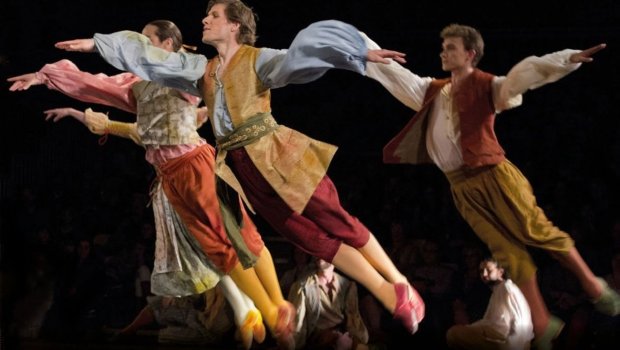
It’s the Christmas holiday: a chance to escape from London and retreat to the countryside: time for family, log fires, games of charades, and hopefully a chance to work on my overdue posts. This seemed a good place to start. Conceived as a tribute to the French composer Jean-Philippe Rameau (1683-1764) , this was my first introduction to Baroque ballet, which played such a crucial role in early operas and entertainments. It was a real feast for the eyes – and even more rewarding because I was able to see yet another Baroque legend live on stage: the doyen of French early music, William Christie himself.

Continue reading

Original Scores: Le Malade Imaginaire: Molière (1673)

The Sam Wanamaker Playhouse

★★★

(Orchestra of the Age of Enlightenment at the Sam Wanamaker Playhouse)

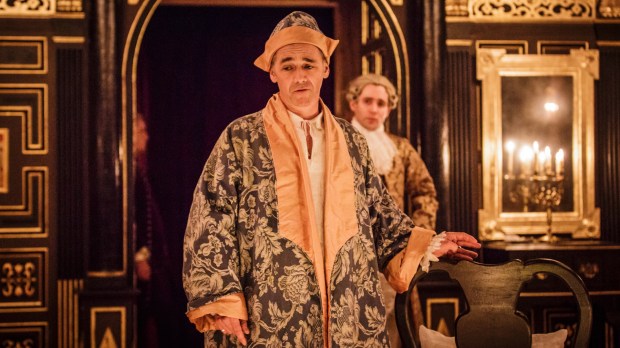
Last Monday I ventured away from my usual theatrical fare of blood-soaked Jacobean vengeance and tried something a little different. The Orchestra of the Age of Enlightenment are performing some candlelit concerts in the Sam Wanamaker Playhouse this season, based around the concept of ‘original scores’. They present incidental music which was composed for early theatrical performances, originally intended to accompany ballets or intermezzi. This music is almost always stripped out of modern productions, leaving us with the bare unadorned text and, perhaps, depriving us of some of the subtleties which the playwright originally intended.

Continue reading

‘Tis Pity She’s a Whore (c1626): John Ford

'Tis Pity She's a Whore: John Ford

★★★½

(Sam Wanamaker Playhouse, Shakespeare’s Globe, October-December 2014)

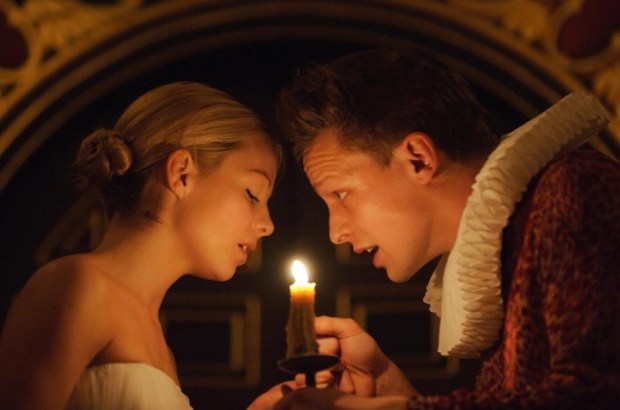
Say what you like about Baroque operas (or, indeed, George R.R. Martin), but nobody does dysfunctional families quite like the Jacobeans. The Globe’s winter season opens with John Ford’s play, written around 1630, which takes place in 17th-century Parma. Here the young scholar Giovanni is in torment. He desires his sister, the beautiful Annabella, but despite the advice of his former tutor, the Friar, he sees no way to cure his illicit passion. Annabella herself is being courted by three suitors: the swaggering Roman soldier Grimaldi; the nobleman Bergetto, who has the promise of a vast inheritance but not a brain in his head; and the handsome gentleman Soranzo, whose courteous manner masks a darker temper.

Continue reading

Shakespeare in Love (2014): Tom Stoppard

Shakespeare in Love

★★★★★

(Noël Coward Theatre, London, 16 July 2014)

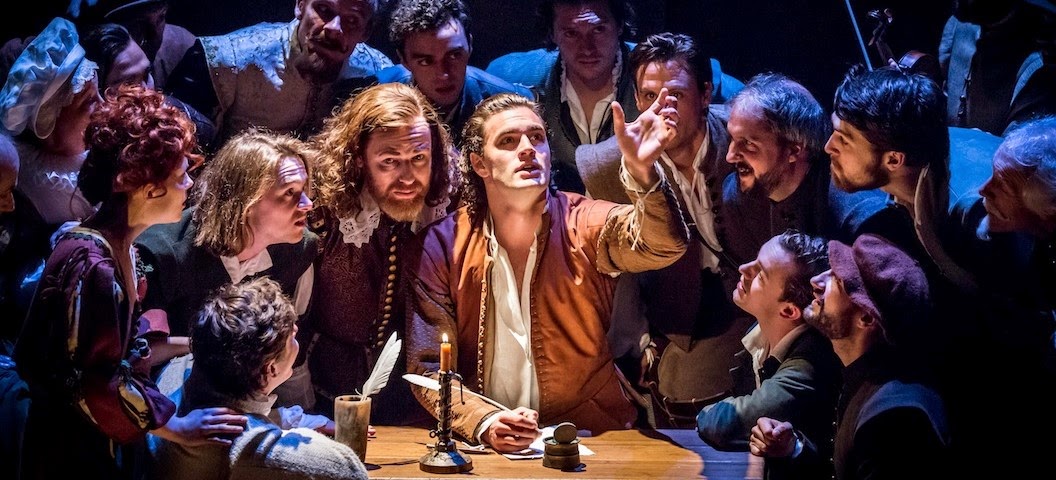
For the feel-good romantic comedy hit of the summer, head down to the Noël Coward Theatre on St Martin’s Lane in London, where the stage production of Shakespeare in Love has just opened for previews. It’s only been running for a few days but a friend and I went along to see it tonight and it is genuinely one of the most delightful plays I’ve ever seen. At the end we tumbled out in the London night so stuffed full of joy that we were fit to burst: comedy, love, and a bit with a dog. What more could you desire?

Continue reading

Richard III (1592/94): William Shakespeare

Richard III

★★★★

(Iris Theatre, St Paul’s Church, Covent Garden, until 25 July 2014)

This is the third production I’ve seen by Iris Theatre, and they never fail to delight. While in previous years I’ve seen them perform light, summery romantic comedies (A Midsummer Night’s Dream and As You Like It), this was my chance to see them tackle something in a darker key. It’s a very topical choice of play, of course: debate is still raging over whether or not the remains discovered in Leicester last year are indeed those of Richard III. I was intrigued to see what Iris, and their director Daniel Winder, would make of the king.

Continue reading

King Lear (c1606): William Shakespeare

King Lear: Shakespeare

★★★

(National Theatre, London, until 2 July 2014)

I’ve been rather blown away by the reaction to my post on The Crucible and am only glad that so many people enjoyed it and found it useful. The secret to successful blogging, clearly, is to name-drop Richard Armitage as often as possible. However, in lieu of any other opportunities to do so, I wanted to write about another of the plays I’ve seen recently: the National’s production of King Lear (directed by Sam Mendes), which is almost at the end of its run.

Continue reading

The Crucible (1953): Arthur Miller

The Crucible: Arthur Miller

★★★★★

(Old Vic Theatre, London, 21 June-13 September 2014)

Arthur Miller’s 1953 play about suspicion, accusation and popular hysteria has just opened at the Old Vic and, on the basis of the preview performance I saw last night, it may well be the most powerful and intense piece of theatre in London this year. The director Yaël Farber has stripped the play back to its essentials and the action unfolds in a claustrophobic, twilight world clouded with smoke and struck through with shafts of bright light.

Continue reading